
Loading...
Start Date
17-9-2025 2:00 PM
End Date
17-9-2025 2:45 PM
Description
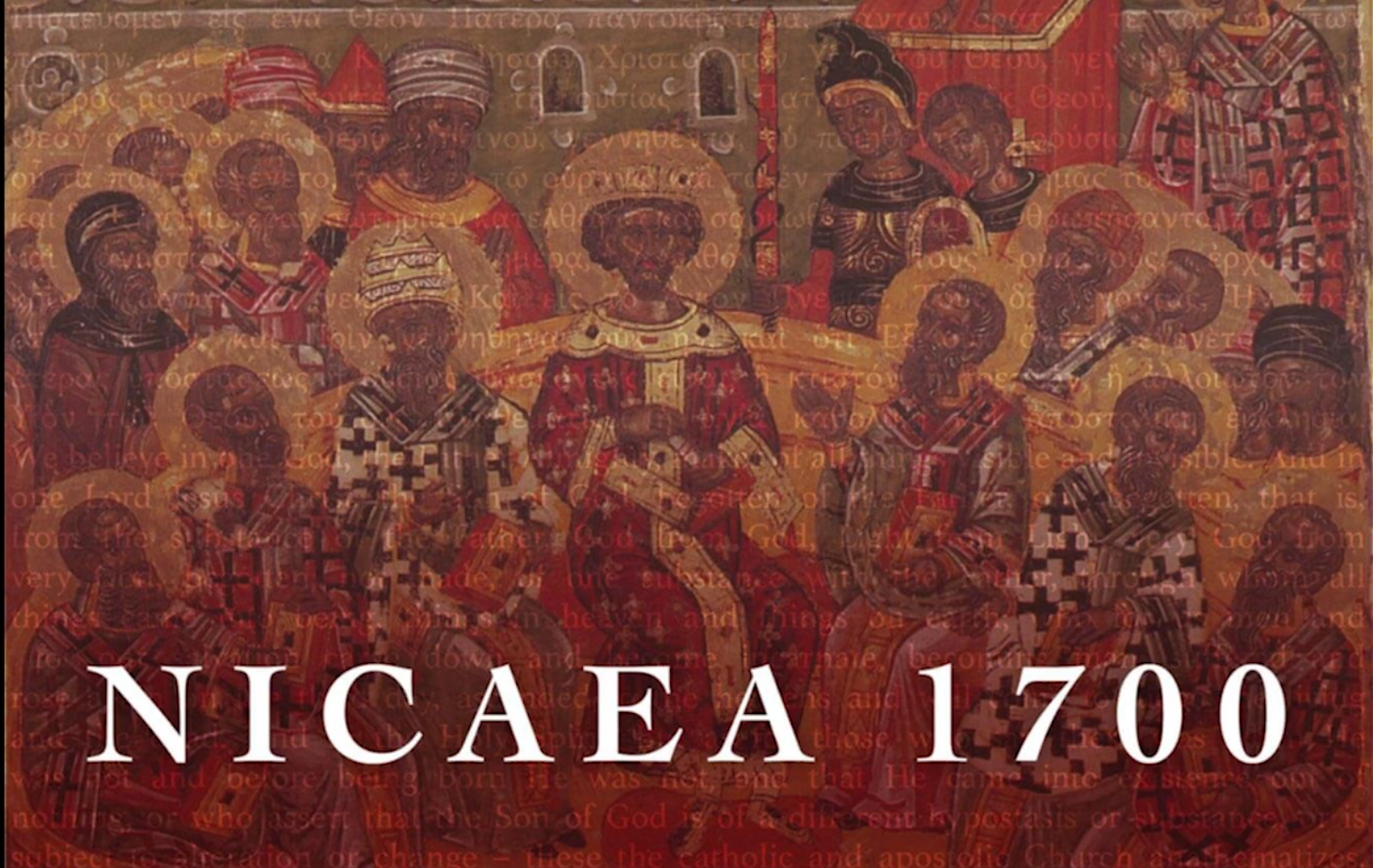
In this presentation, Pastor Beckett examines the intersection of Christian orthodoxy and gender identity, utilizing the Nicene Creed as a theological and pastoral framework. He argues that the three articles of the Creed offer a necessary corrective to transgender ideology by affirming that the body is a divine gift from the Creator, the incarnation of Christ validates sexed embodiment, and the Holy Spirit provides a stable identity through baptism. The source emphasizes a cruciform pastoral approach that maintains the vital distinction between Law and Gospel, seeking to lovingly confront rebellion while offering the comfort of bodily resurrection and restoration to those struggling with dysphoria. Ultimately, the text serves as a practical guide for church leaders to provide mercy without compromising doctrine, ensuring that the church remains a refuge where identity is received from God rather than self-constructed.
Submission Type
Bible Study; Lecture; Sermon Prep
Scripture References in this Resource (separated by semi-colons)
Genesis 12:7; Matthew 11:28; 1 Corinthians 11:28; Galatians 3:27; Psalm 139; Isaiah 43; Luke 18; Romans 6; Romans 9; 1 Corinthians 15;
Submission Audience
Laity; Ministers; Scholars
Submission Cost
Free
Confessing the Body: The Nicene Creed and the Theology of Gender Identity
In this presentation, Pastor Beckett examines the intersection of Christian orthodoxy and gender identity, utilizing the Nicene Creed as a theological and pastoral framework. He argues that the three articles of the Creed offer a necessary corrective to transgender ideology by affirming that the body is a divine gift from the Creator, the incarnation of Christ validates sexed embodiment, and the Holy Spirit provides a stable identity through baptism. The source emphasizes a cruciform pastoral approach that maintains the vital distinction between Law and Gospel, seeking to lovingly confront rebellion while offering the comfort of bodily resurrection and restoration to those struggling with dysphoria. Ultimately, the text serves as a practical guide for church leaders to provide mercy without compromising doctrine, ensuring that the church remains a refuge where identity is received from God rather than self-constructed.